

Specialty Coffee in Marin County
Micro-Roasted in San Rafael, CA
We highlight small-holding producers that value innovative production methods and sustainable agriculture
Orders are roasted on Friday and shipped on Saturday.
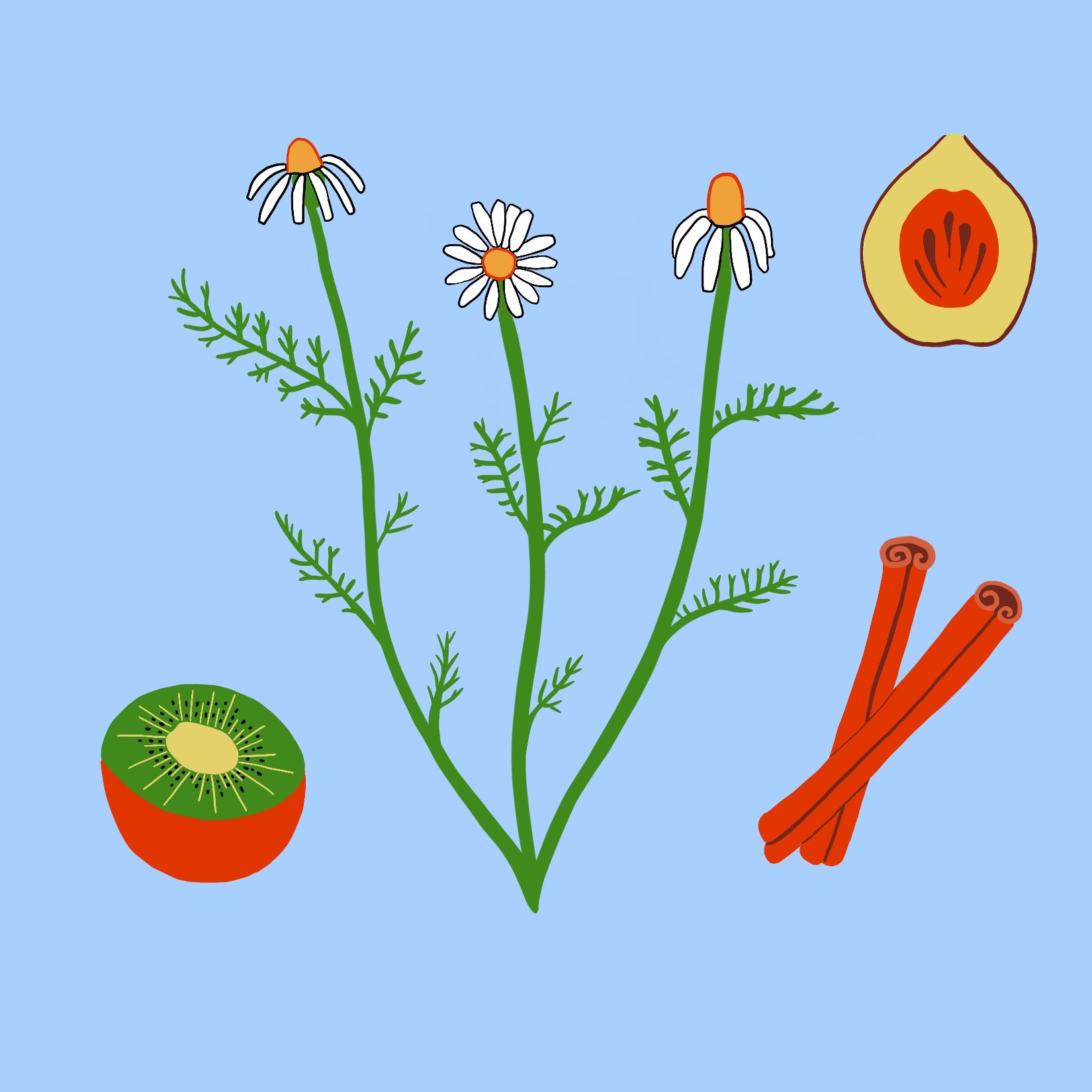
Tasting Notes: kiwi, chamomile, nutmeg, cinnamon
Variety: Caturra, Tabi
Process: Double-fermented, washed
Producer: Nolberto Olaya
Origin: Tolima, Colombia
Producer Nolberto Olaya brings us this unique field blend of Tabi and Caturra varietals. This coffee was produced at his farm, La Cinta, which sits approximately 1700 meters above sea level in Tolima, Colombia.
One thing we love about Nolberto is his dedication to sustainable agriculture. He mixes calcium-rich ashes, mulch, and earthworms, as well as compost from coffee pulp and cane sugar molasses and uses that mixture to fertilize his coffee trees.
Cherries are picked ripe and sorted in floating tanks. Whole cherries are fermented in plastic tanks for 24 hours of aerobic fermentation. The fruit is then pulped and placed back into the tanks and sealed for 100 hours of anaerobic fermentation. During this stage, the tanks are opened after three days to manually release the CO2 that has built up during fermentation. Seeds are washed and moved to the greenhouse and dried for 20–25 days.
Orders are roasted on Friday and shipped on Saturday.
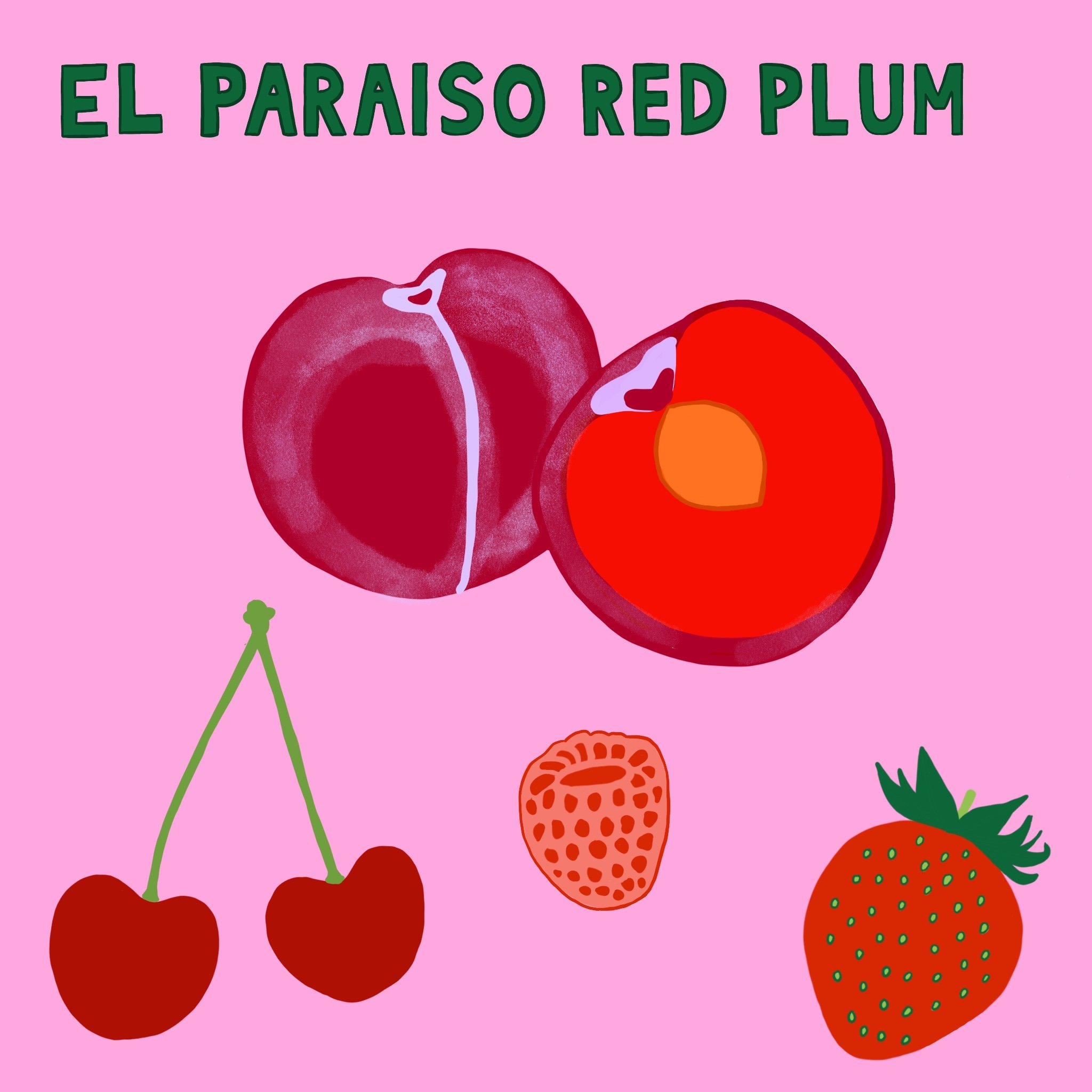
Flavor Notes: Red berries, cherry, raspberry
Variety: Castillo
Process: Double-fermented, thermo shock, washed
Producer: Diego Bermudez, Finca El Paraiso
Region: Cauca, Colombia
Diego’s farm, El Paraiso, is located in the heartland of Cauca, Colombia, a region that has now cemented its reputation for being a hotbed of coffee processing innovation. And this crop of Red Plum exemplifies how producers like Diego are using these techniques to develop exceptional coffees.
Coffee cherries are picked over-ripe, disinfected using ozone and undergo a 36-hour anaerobic fermentation submerged in water.
Following the initial fermentation process, the outer layers of the cherries are removed, and the mucilage and pulp from this process is used to create a culture medium. The culture medium is returned into the coffee beans for a second 12-hour fermentation.
The beans are subjected to thermal shock, a controlled temperature change that ensures a greater fixation of flavor precursors, and dried process using a specialized dehumidifier.
This is truly an exceptional and unique coffee, and a testament to the effort and ingenuity of Diego Bermudez and his team at El Paraiso.
How’ve You Bean?
Sign up to learn about upcoming roasts